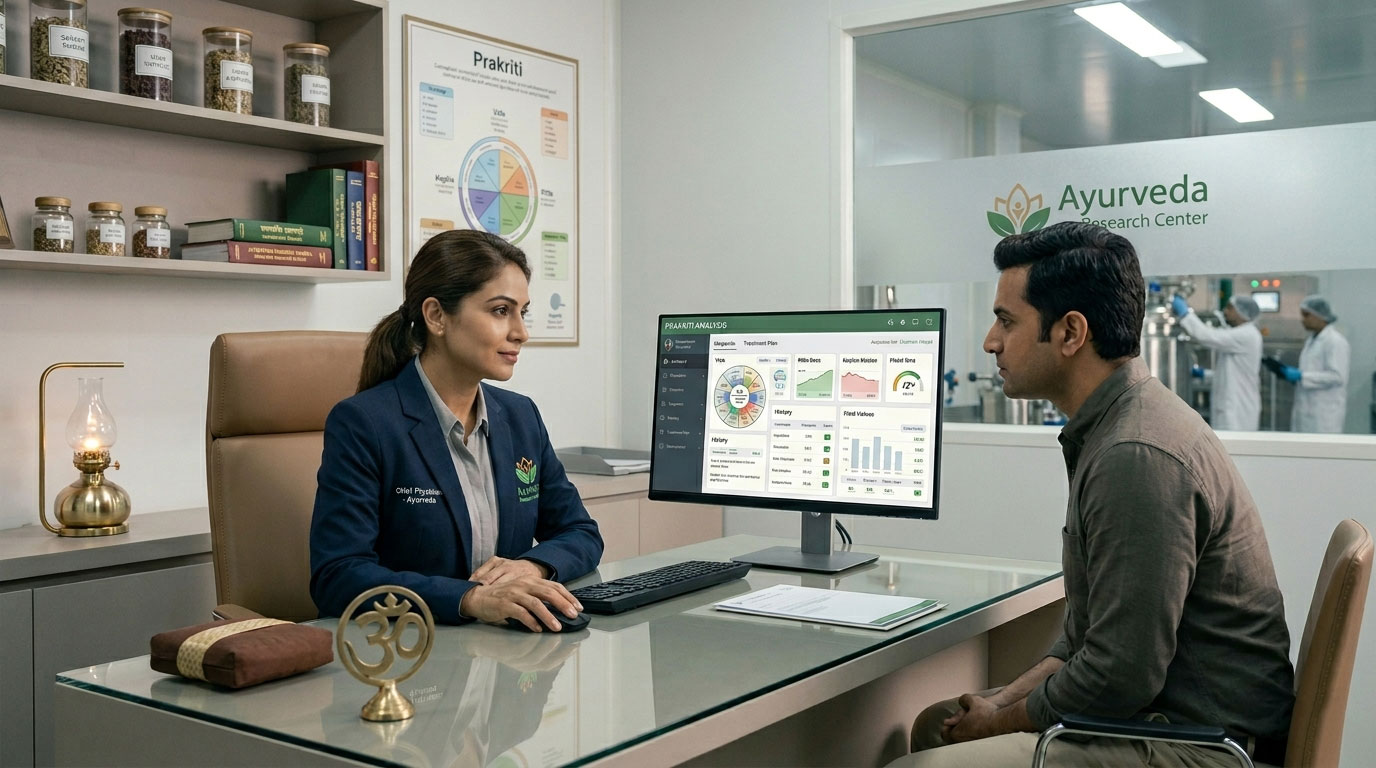
Digital Transformation in Ayurveda Drug Manufacturing


Digital Transformation in Ayurveda Drug Manufacturing: Enhancing Quality, Compliance, and Growth
The Ayurveda pharmaceutical industry is experiencing rapid growth, driven by increasing global demand for natural and holistic healthcare. However, traditional manufacturing practices—often manual and fragmented—are no longer sufficient to meet modern expectations of quality, scalability, and regulatory compliance.
Digital transformation is now redefining how Ayurvedic drug manufacturers operate, helping them bridge the gap between ancient formulations and modern production standards.
What is Digital Transformation in Ayurveda Manufacturing?
Digital transformation involves integrating technology across the entire manufacturing lifecycle, including:
- Raw material procurement
- Production planning
- Quality control
- Inventory management
- Sales and distribution
For Ayurvedic manufacturers, this means digitizing processes while preserving the authenticity of classical formulations.
Why Ayurveda Drug Manufacturers Need Digital Transformation
- Increasing Regulatory Requirements
Manufacturers must comply with:
- GMP (Good Manufacturing Practices)
- AYUSH guidelines
- Batch traceability requirements
Manual systems make compliance difficult and error-prone.
- Complex Production Processes
Ayurvedic medicines involve:
- Multiple herbs and ingredients
- Traditional preparation methods
- Batch-specific variations
Digital systems help standardize and control these complexities.
- Rising Market Demand
With growing demand:
- Production needs to scale
- Distribution must expand
- Supply chains must be optimized
Without digital tools, scaling becomes inefficient.
Key Benefits of Digital Transformation
- End-to-End Batch Traceability
Digital systems enable:
- Tracking of raw materials to finished products
- Batch-wise production records
- Easy recall management
👉 Ensures safety, quality, and compliance.
- Standardization of Formulations
With digital platforms:
- Recipes (yogas) can be predefined
- Ingredient quantities are controlled
- Process steps are standardized
👉 Maintains consistency across batches.
- Smart Inventory Management
Ayurvedic manufacturing involves:
- Raw herbs
- Oils and extracts
- Packaging materials
Digital systems:
- Track stock levels in real time
- Reduce wastage
- Prevent stockouts
- Improved Quality Control
Quality checks can be digitized:
- Raw material testing
- In-process quality checks
- Final product validation
👉 Ensures adherence to quality standards.
- Efficient Production Planning
ERP systems help:
- Plan production schedules
- Allocate resources
- Reduce downtime
👉 Improves overall productivity.
- Regulatory Compliance Made Easy
Digital documentation ensures:
- Audit readiness
- Proper record-keeping
- Compliance with AYUSH and GMP
👉 Reduces risk of penalties and delays.
- Integrated Sales & Distribution
From factory to customer:
- Order management
- Distributor tracking
- Billing and invoicing
👉 Enables seamless business operations.
- Data-Driven Decision Making
With analytics, manufacturers can:
- Forecast demand
- Optimize production
- Identify best-selling products
👉 Drives strategic growth.
Core Modules Required in an Ayurveda Manufacturing ERP
A robust system should include:
- Raw Material Management
- Bill of Materials (BOM) for formulations
- Batch Manufacturing Records (BMR)
- Quality Control (QC) module
- Inventory & Warehouse management
- Sales & Distribution
- Compliance & documentation
Challenges Without Digital Transformation
Manufacturers relying on manual systems often face:
- Inconsistent product quality
- Poor inventory control
- Compliance risks
- Limited scalability
Over time, this impacts both brand reputation and profitability.
The Future: Smart Ayurveda Manufacturing
The future of Ayurveda manufacturing lies in:
- Automation
- AI-driven demand forecasting
- IoT-enabled production monitoring
- Cloud-based ERP systems
This evolution ensures that traditional medicine can thrive in a modern, global market.
Conclusion
Digital transformation is not about replacing tradition—it’s about strengthening it with precision, efficiency, and scalability.
For Ayurveda drug manufacturers, adopting digital systems is the key to:
- Maintaining authenticity
- Ensuring quality
- Achieving sustainable growth